
Introduction
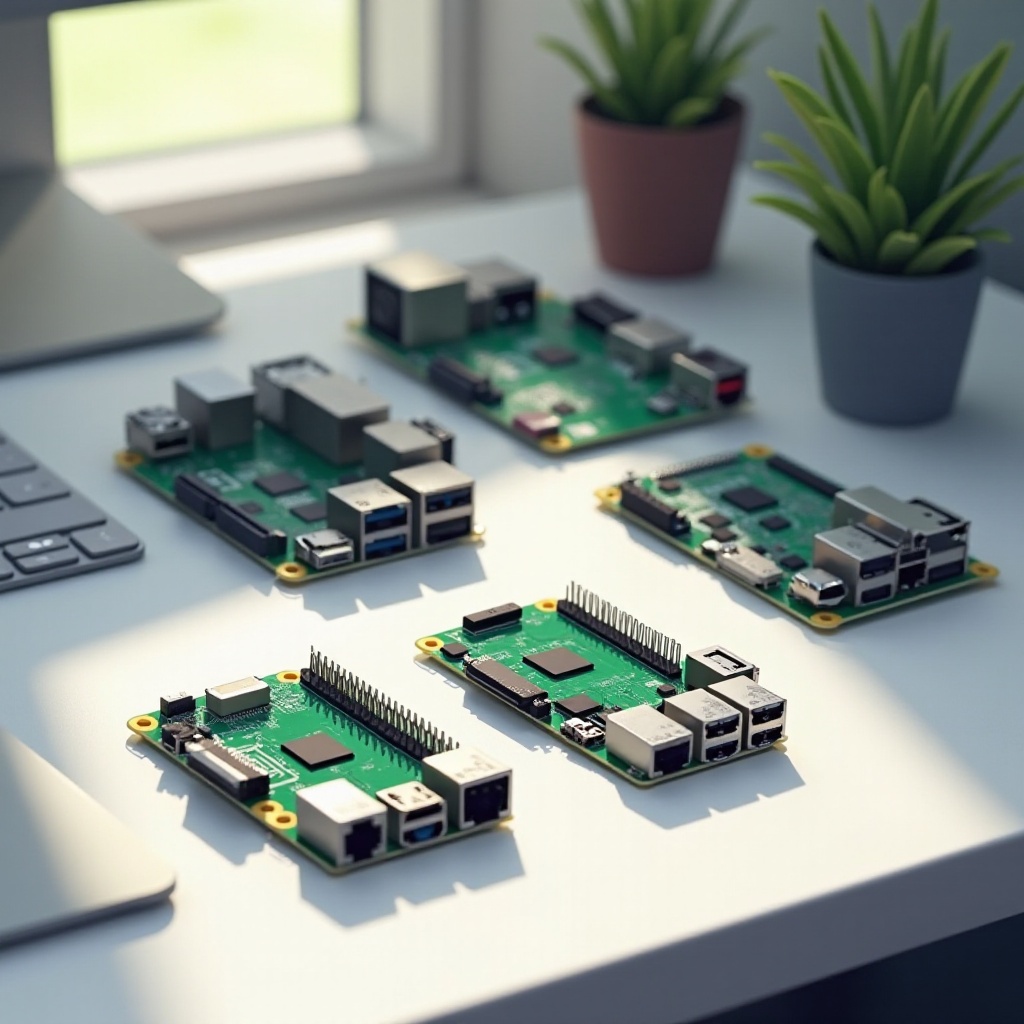
The Raspberry Pi has forever altered the computing landscape, providing an affordable, compact, and versatile platform for tech enthusiasts and creators. Despite its popularity, some users require devices with different features or increased performance to meet their evolving project needs. Whether you’re searching for greater power, enhanced capabilities, or specialized features, exploring Raspberry Pi alternatives is key to unlocking new possibilities.
Key Features of Raspberry Pi
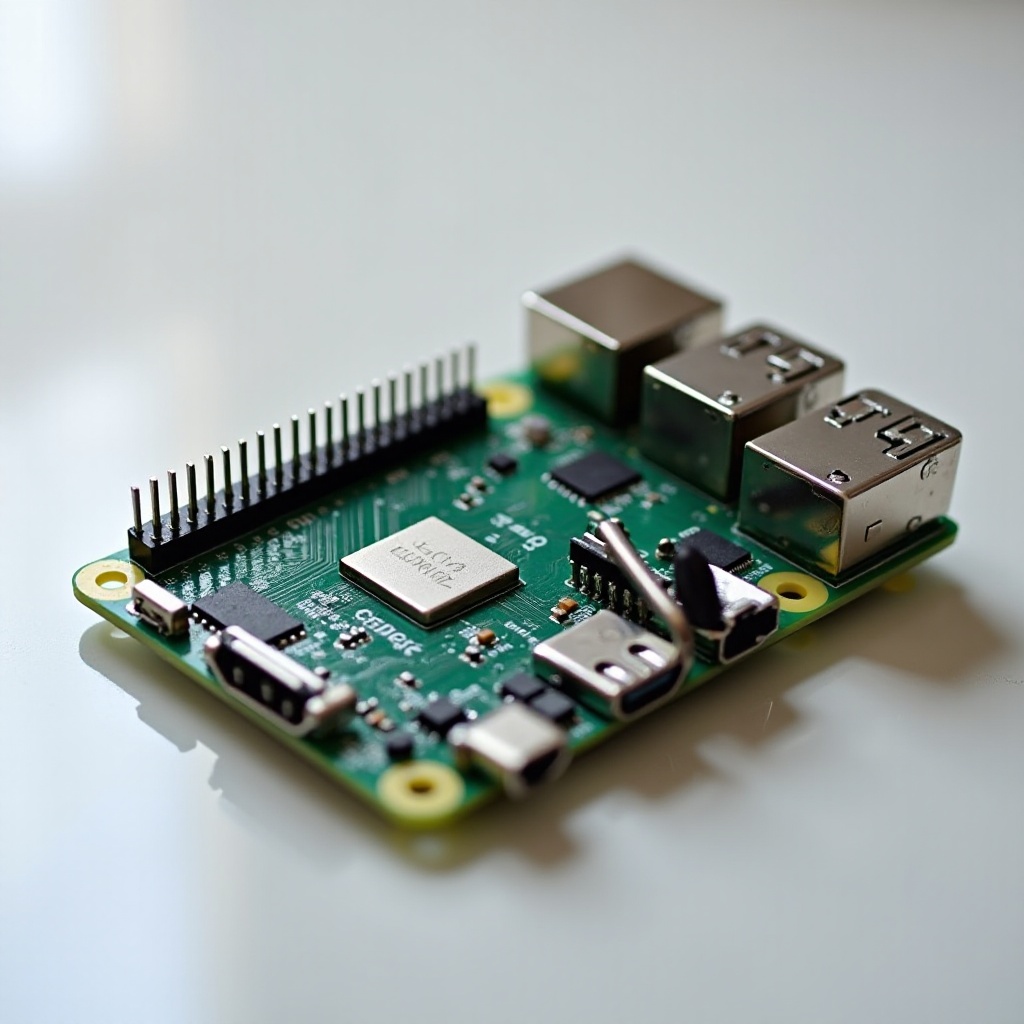
The Raspberry Pi is widely praised for its small form factor, cost-effectiveness, and versatility. Powered by ARM architecture, it supports various operating systems, primarily Linux-based, making it a go-to for hobbyists and professionals. With GPIO pins, users can easily interface with other hardware, fueling projects ranging from simple electronics to complex IoT systems. However, limitations in processing power or connectivity options can lead users to seek alternatives tailored to specific projects.
Top Raspberry Pi Alternatives
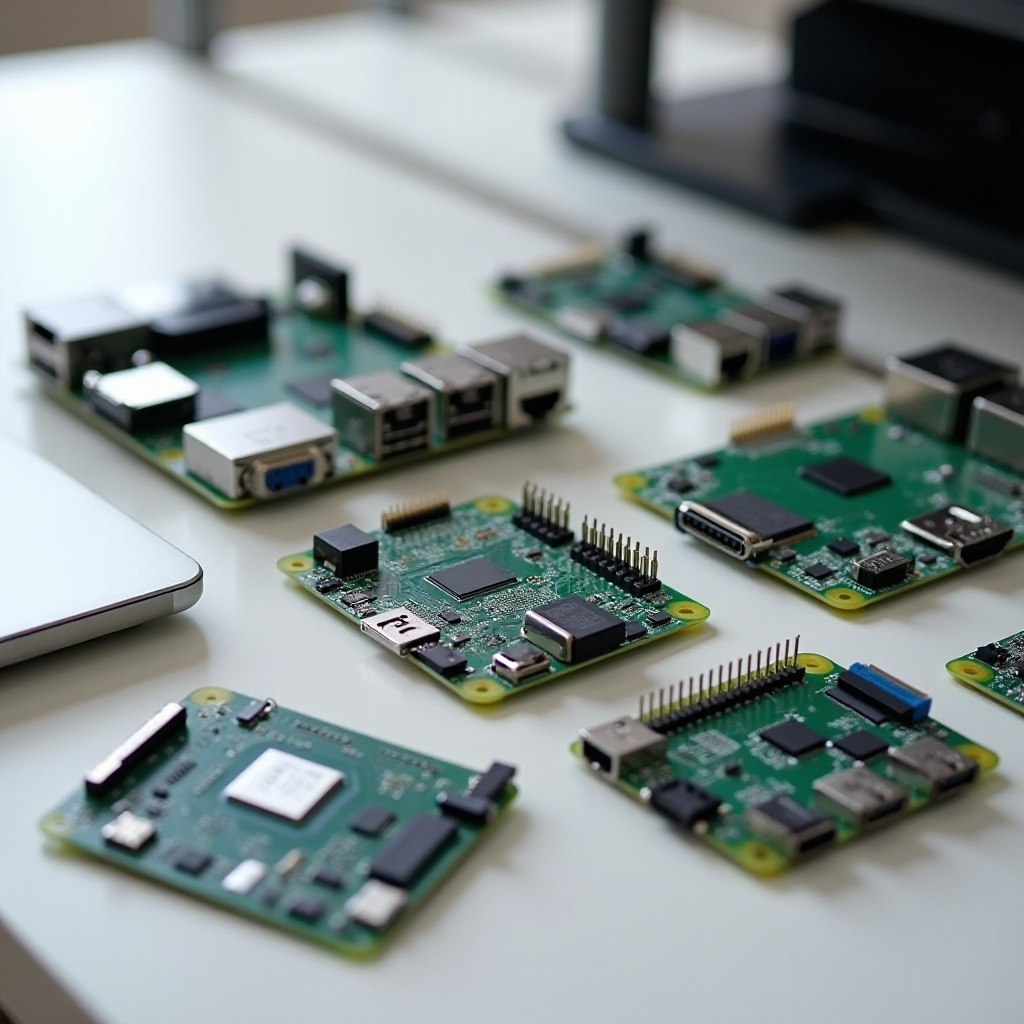
To find an apt Raspberry Pi alternative, it’s crucial to understand your specific project requirements. With several robust options on the market, selecting a suitable alternative ensures you meet performance and budgetary needs.
BeagleBone Black
The BeagleBone Black caters to both hobbyists and professional developers looking for a step up in processing power. Featuring an AM335x 1GHz ARM Cortex-A8 processor, it provides a boost in performance for data-intensive applications. Its dependable power and versatility make it an excellent choice for projects requiring faster computing.
ODROID-XU4
ODROID-XU4 is an attractive option with its octa-core processor, combining ARM Cortex-A15 and Cortex-A7 cores. Its energy-efficient design, along with superior graphics performance and USB 3.0 ports, positions it as a top choice for multimedia projects. The ODROID-XU4’s ability to handle simultaneous data processing enhances its appeal for complex computing tasks.
ASUS Tinker Board
For those seeking robust performance with excellent connectivity, the ASUS Tinker Board stands out. It boasts an ARM Cortex-A17 quad-core processor paired with 2GB DDR3 dual-channel memory, supporting high performance computing. Its gigabit LAN and compatibility with Arduino shields make it ideal for both educational and hardware-intensive applications.
NVIDIA Jetson Nano
When AI and machine learning projects come into focus, the NVIDIA Jetson Nano provides an edge. Equipped with a quad-core ARM Cortex-A57 CPU and a 128-core NVIDIA Maxwell GPU, it excels in running neural networks and computer vision tasks. This board, catering to developers entering the AI domain, offers learning opportunities at an accessible cost.
Choosing the Right Alternative for Your Project
Choosing the best alternative involves evaluating factors like budget, power, performance, and support. Community size and technical resources also play vital roles in problem-solving and enhancing your project’s success. Weighing these factors ensures you select a device perfectly aligned with both current and future project goals.
Innovative Projects with Raspberry Pi Alternatives
Once you’ve selected the right alternative, project opportunities expand tremendously:
- Home Automation: Utilize ODROID or BeagleBone Black for seamless home automation systems.
- AI and Robotics: Harness the NVIDIA Jetson Nano for building advanced robotics integrated with machine learning.
- Media Centers: Construct robust media centers using the ASUS Tinker Board’s connectivity and media capabilities.
These alternatives empower creators to push boundaries and innovate across various technology domains.
Conclusion
Exploring Raspberry Pi alternatives introduces a diverse range of computing capabilities, enriching project outcomes and innovation. Understanding your specific project requirements and matching them with these alternatives unlocks new technological avenues. Choose the best device for your needs and embark on your tech journey.
Frequently Asked Questions
What are the advantages of using a Raspberry Pi alternative?
Alternatives often offer enhanced performance, better connectivity options, or specialized features for diverse project needs.
Can these alternatives run the same software as Raspberry Pi?
Most alternatives are compatible with Linux distributions similar to Raspberry Pi OS, though specific compatibility should be verified.
Are Raspberry Pi alternatives more expensive?
Some alternatives may cost more, but they provide additional features and performance improvements tailored to specific projects.